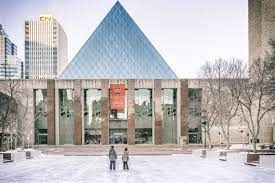
- On Thursday, at 4:00 pm, there will be a Special City Council Meeting. The majority of the meeting will be held in-camera to discuss Strategic Planning. The meeting will continue on Friday at 9:00 am.
- Mayor Andrew Knack is inviting residents to rethink how the City approaches snow removal after an unusually snowy start to winter. Citing snowfall well above the 30-year average, Knack acknowledged widespread frustration with road conditions while also thanking City crews who have been working around the clock to keep major routes passable. According to Environment Canada, December was among Edmonton’s wettest on record, putting added strain on an already stretched snow-clearing system. The City currently budgets about $67 million annually for snow removal, following several increases in recent years. Past reviews showed that significantly faster or more comprehensive snow removal would come with substantial additional costs. Knack argues the issue now belongs in a larger budget conversation as Edmonton prepares for its next four-year cycle.
- Edmonton’s $2.6 billion Valley Line West LRT build is progressing, but construction manager Jonathan Cox says the city risks losing hard-won skilled trades capacity if major rail projects stall after completion. Cox argues Edmonton has invested in specialized workers and expertise for building LRT in a northern climate and if future expansions remain unfunded, that talent may leave for other cities, raising costs to bring them back later. City of Edmonton Valley Line West director Brian Latte reports the project was on budget and on schedule at the end of 2025, with major intersection work completed on time. The team aims to have all tracks connected by the end of 2026, followed by extensive testing and commissioning. Reliability testing is expected to be the longest phase, with passenger service still tentatively targeted for 2029.
- Edmonton has begun replacing private security on public transit with additional peace officers, deploying 15 so far and planning to add another 15 by the end of summer. The shift is funded using money from a previous security contract and is intended to increase enforcement capacity, as peace officers have broader legal powers than private guards. Once fully implemented, the City’s transit peace officer unit will grow to 126 officers, with larger patrol teams and a stronger focus on high-incident areas. The City says this increased uniformed presence is meant to improve both actual safety and public confidence, while also supporting faster response times. Officers will continue working alongside police and outreach workers, connecting vulnerable individuals to social services when appropriate. The approach emphasizes engagement and prevention first, while still allowing for tickets, fines, or transit bans for repeat or serious offenders.
- Emergency room doctors in Edmonton are calling for a medical state of emergency in the Edmonton zone due to severe overcrowding and long wait times, citing a recent death of a 44-year-old man in the ER. Hospitals are operating at near full capacity, with admitted patients often spending days in emergency before reaching a proper hospital bed. A major factor is the high number of patients who no longer need acute care but cannot yet move to home care, rehab, or long-term care, blocking new critical cases. Doctors say the system was already stretched before this year’s severe influenza season, and ongoing staffing and systemic issues have worsened the crisis. While government statements highlight efforts to reduce Alternate Level of Care (ALC) patients and acknowledge high volumes, ER staff warn that Edmonton’s situation is among the worst in Canada. Patients in urgent need are facing unsafe delays for treatment such as antibiotics, pain relief, and emergency procedures.
