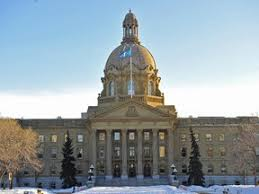
- Premier Danielle Smith is seeking a formal role in judicial appointments for Alberta’s courts and the Supreme Court of Canada. To ensure the judiciary reflects Albertan values, Smith proposed a joint advisory committee of provincial and federal experts to recommend candidates. She also requested a relaxation of bilingual requirements, which she argues alienates Western Canadians. Alberta has threatened to withhold funding for new judicial positions until a collaborative process is established, citing Quebec’s model as a precedent. Federal Justice Minister Sean Fraser defended the current system, emphasizing judicial independence to prevent "democratic backsliding". However, recent data showing that 76.3% of federal appointees since 2016 were Liberal donors has intensified calls for transparency.
- Parks Canada is exploring new ways to manage overcrowding at Lake Louise, Moraine Lake, and Paradise Valley, where visitation has surged, with Lake Louise seeing a 70% increase from 2010 to 2019. Options under consideration include summer vehicle bans, reservation systems, parking time limits, and maintaining paid parking. The agency aims to balance protecting wildlife and the environment with maintaining a positive visitor experience, following earlier measures like restricting private vehicle access to Moraine Lake and introducing paid parking at Lake Louise. Local stakeholders, including conservationists and tour operators, emphasize proactive management, mass transit, and sufficient funding over restrictive measures or pricing strategies. Parks Canada is also reviewing visitor management in other areas, such as Lake Minnewanka and Jasper National Park, and public input is being sought to guide final decisions. Some residents suggest expanding accessible natural areas to relieve pressure on Lake Louise and support sustainable tourism growth in the region.
- Alberta has expanded parental access to teens’ online medical records up to age 18. Previously limited to children under 12, the change allows parents to view lab results, prescriptions, diagnostic reports, and visit summaries through the provincial health portal. Doctors warn this could discourage teens from seeking care for sensitive issues like sexual health, mental health, or substance use if confidentiality can’t be assured. Pediatric experts argue the move conflicts with the “mature minor” principle, which allows adolescents to consent to treatment without parental involvement. While 16- and 17-year-olds can request that parental access be revoked, critics say the policy still risks eroding trust and could lead to delayed or avoided care. The province says safeguards exist and a privacy impact assessment is under review, but comparisons show other provinces cut off parental access at younger ages.
- Alberta’s long-promised passenger rail master plan has been delayed again and is now expected to be released later this year. The province says it is taking a deliberate approach and does not want to rush a plan meant to guide passenger rail development over the next 15 years. The proposal envisions public, private, or hybrid rail options, including links between Calgary and Edmonton, connections to major airports, a transit hub in Red Deer, and potential service to the Rocky Mountain parks. Construction has previously been suggested as early as 2027, possibly under a new Crown corporation similar to Ontario’s Metrolinx. Provincial officials say municipalities, Indigenous communities, and international experts have been consulted to ensure the plan is realistic and affordable.
- Alberta’s governing UCP raised over $9.3 million in 2025, maintaining a fundraising lead over the Opposition NDP, which collected $6.3 million. The UCP’s total includes donations to the central party and constituency associations, with most contributions of $250 or more coming in the final quarter of the year. Executive Director Dustin van Vugt credited the party’s strong messaging, including Premier Danielle Smith’s “strong, proud, free Alberta” narrative, for boosting donations. The NDP also saw its strongest quarter at year-end and emphasized that fundraising reflects both political support and readiness to govern. Smaller parties raised far less, including the Progressive Tory Party ($101,000) and the separatist Republican Party of Alberta ($196,000), while several registered parties reported minimal or no funds.
