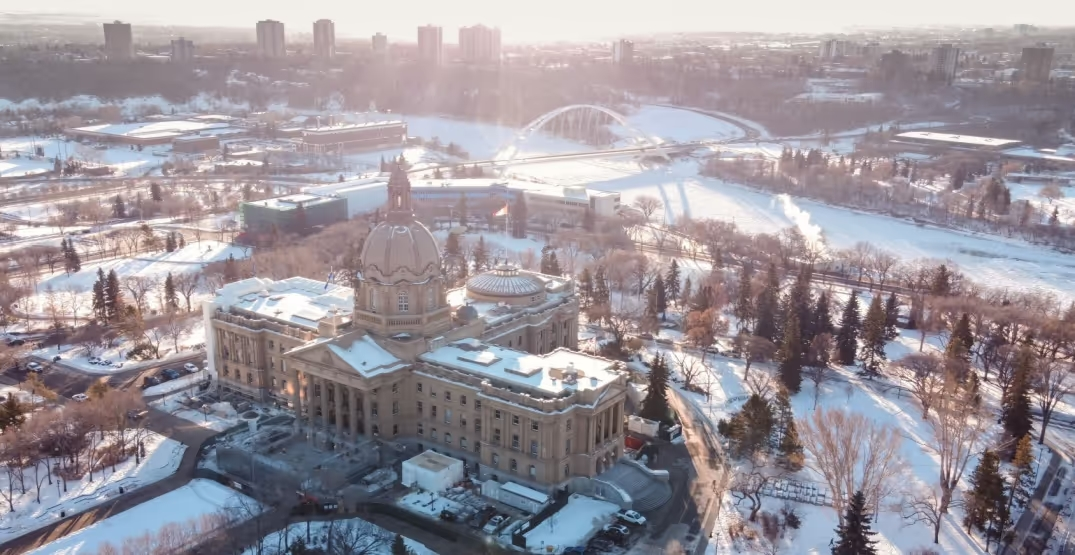
Premier Danielle Smith says Alberta will hold referendums on October 19th with 5 yes/no questions on immigration and additional questions on constitutional changes. Smith said she is seeking a mandate to pursue policies that would restrict eligibility for provincially funded programs to citizens, permanent residents, and those with an “Alberta-approved immigration status,” and to require non-permanent residents to live in Alberta for 12 months before qualifying for provincial programs. Other questions include requiring proof of citizenship to vote in provincial elections, seeking more provincial control over immigration, and whether Alberta should charge a fee to non-permanent residents to access health care and education. Smith tied the proposals to pressures on services and a tougher financial outlook, ahead of Budget 2026 on February 26th, while promising no drastic cuts to social services.
A third recall petition, this time against UCP MLA Nolan Dyck, has failed to meet the signature threshold, while another petition against Children and Family Services Minister Searle Turton was withdrawn. Dyck’s petition gathered just over 1,000 signatures - about 10% of the required number. The petitioner said the effort still engaged the community, noting some supporters had voted for Dyck in 2023 but felt misrepresented. The withdrawal of the petition against Turton’s was blamed, by the petitioner, on delays and confusion over privacy assurances from Elections Alberta, though Elections Alberta disputes this. Petitioners had three months to collect signatures equal to 60% of the votes cast in each riding in the last election.
Alberta is investing $400 million to purchase five new water bombers for its aging wildfire-fighting fleet, with the first delivery from De Havilland expected in 2031. The Canadair DHC-515 amphibious planes can refill their 6,100-litre tanks from water sources in about 12 seconds, enhancing rapid response capabilities. The purchase is separate from the Province’s annual $160-million wildfire response budget and aims to ensure fleet renewal as current Alberta-owned aircraft, built in the late 1980s, near the end of their service lives. Forestry Minister Todd Loewen highlighted the proactive approach to replacing aging planes, while Premier Danielle Smith emphasized the investment’s role in long-term wildfire preparedness. The deal is expected to strengthen the Province’s ability to respond to increasingly intense wildfire seasons.
The Alberta government has released its first classroom size and complexity data in six years, accompanied by $143-million for specialized "complexity teams". This funding targets K-6 schools facing the highest pressures, primarily within the Edmonton and Calgary school boards. Complexity is determined by student composition (including disabilities and language needs and is ranked on a scale from low to high), class size, and the number of students requiring additional support. Notably, 62% of Calgary classrooms and 34% of Edmonton classrooms report high occurrence rates, meaning 11 or more students per class have complex needs.
Alberta’s tourism sector is outpacing the national average, reaching a record $15.2 billion in visitor spending last year. While Canadian tourism overall saw declines in international and US travel, Alberta recorded growth of 4% and 5%, respectively. Travel Alberta’s "Higher Ground" strategy aims for $25 billion by 2035 by promoting year-round destinations beyond the Rocky Mountains and expanding direct flight access. A key pillar of the agency's plan is the Indigenous tourism sector, which has received $12 million in taxpayer support since 2021 to meet high international demand for authentic cultural storytelling.