

Added a post
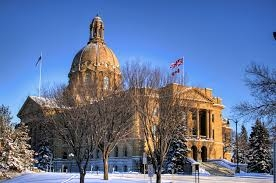
- Canvassing is underway for Alberta’s Stay Free Alberta petition, which seeks a referendum on separating from Canada. Supporters at recent events expressed frustration with federal overreach, concerns over economic stability, and a desire for more control over taxes and resource exports. Many believe independence would allow Albertans to make their own decisions and better protect future generations financially. The petition, approved by Elections Alberta, requires 177,732 signatures by May 2nd, and organizers say strong turnout indicates they are on track to meet the goal. Additional canvassing events are scheduled across the province in the coming weeks.
- Tensions are escalating as US officials, including Trade Representative Jamieson Greer and Montana State Senator Steve Daines, characterize Alberta’s electricity market rules as discriminatory toward American producers. They claim that the Alberta Electricity System Operator (AESO) prevents Montana power from entering the province, which stifles cross-border investment. Alberta Utilities Minister Nathan Neudorf asserts that the Province treats all neighbouring jurisdictions equally and prioritizes grid stability. Alberta is effectively an “energy island” with limited ties to BC, Saskatchewan, and Montana, meaning curtailments can occur when supply exceeds what the system can safely manage, even if imported power is cheaper. While increasing connections would improve reliability, Neudorf says that necessary infrastructure work could cost $500 million. Another Montana State Senator, Daniel Zolnikov, cautions that investors will avoid new projects until regulatory clarity is established.
- Wineries, retailers, and restaurants are calling on the Alberta government to repeal its new wine tax, introduced in April 2025, which imposes additional charges of 5-15% on bottles over $15 per litre. Industry representatives say the tax disrupts Alberta’s previously competitive liquor model, increases costs for restaurants, and discourages consumer spending, with some businesses absorbing the higher prices and others reducing Canadian wine purchases. The Import Vintners and Spirits Association and Wine Growers British Columbia warn that the tax has already caused declining sales and threatens small businesses, with some BC wineries considering leaving the Alberta market. Restaurant owners say the added costs are unsustainable, reducing customer visits and squeezing already tight profit margins. Industry groups argue that Alberta should maintain a simple, flat liquor tax to support business viability and consumer choice. Government officials defend the tax, noting it applies to only 16% of wines sold and remains lower than prices in other provinces.
- Alberta is introducing new regulations to expand its provincially-regulated online gambling market and attract private operators currently limited to Ontario. The changes provide a framework for companies like BetMGM, FanDuel, and DraftKings to legally accept bets in the province. The government notes that unregulated sites make up as much as 70% of Alberta’s online gambling activity. The regulations, modelled on Ontario’s system, cover virtual casinos, sports betting, tax rates, website rules, and responsible gambling measures such as self-exclusion and time or financial limits. Service Alberta Minister Dale Nally expects operators to join the market within a few months, with the intention of creating a safer and more controlled environment for Albertans. Currently, the province’s only regulated platform, Play Alberta, generated $270 million in net sales last year, up $35 million from 2023-24.
- An Alberta teacher’s audio rant criticizing the province’s conservative political culture has sparked an internal review by Elk Island Catholic Schools and criticism from Premier Danielle Smith. The recording, from a Fort Saskatchewan social studies class, included profane references to anti-Trudeau stickers and NDP lawn signs, prompting concerns about professionalism and political neutrality in the classroom. The school division says the conduct does not align with its values and is investigating, while the Alberta Teachers’ Association has declined to comment, noting it is a matter for the school.