

Added a post
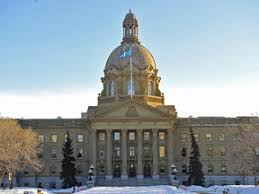
- Alberta is introducing four new teaching certificates aimed at addressing teacher shortages by allowing tradespeople, skilled professionals, education students, and internationally trained teachers to enter classrooms sooner. The new pathways include certificates for final-year education students and internationally qualified teachers, as well as options for tradespeople and professionals to teach Grades 7 to 12 in their areas of expertise after completing required coursework. Candidates in the trades and professional stream must complete initial training before teaching and finish additional courses within three years to earn permanent certification. The Province says these changes will enrich student learning and expand access to educators, with some training programs expected to launch as early as this fall. The government also plans to offer bursaries to support participants, while post-secondary institutions are still being approved to deliver the required courses.
- The Legislative Assembly has approved a motion to increase the province’s electoral divisions to 91 seats for the next election, up from the current 87. This comes after a controversial independent commission returned both a majority and minority recommendation based on the previous plan for 89 seats. The chair of the commission recommended the increase to 91 as a potential compromise as part of the majority report. UCP members state that the expansion to 91 seats will ensure fair representation by building on the commission’s work. In contrast, the Alberta NDP describes the move as undemocratic, alleging it allows the government to redraw maps to its advantage. Opposition Leader Naheed Nenshi specifically accused the UCP of gerrymandering to dilute the voting power of major urban centers like Calgary and Edmonton. A new panel, with appointees from both the UCP and the NDP, is expected to be announced soon.
- The Alberta government has launched a website detailing the nine referendum questions regarding immigration and the Constitution on which Albertans will be able to vote on October 19th. Premier Smith said she is seeking a "strong mandate" to implement legislation related to the referendum questions, including a 12-month residency requirement for non-permanent residents to qualify for provincial programs. While the government will campaign for these changes during the referendum campaign, the Premier’s office stated they will re-evaluate their approach if voters reject the initiatives. Opposition Leader Naheed Nenshi questioned the Premier's commitment to honouring the results but encouraged Albertans to vote.
- The Alberta government will be introducing legislation to make the shift to permanent daylight saving time official, ending the biannual practice of changing clocks. Alberta would no longer "fall back" in the autumn, aligning the province with Saskatchewan year-round and keeping it one hour ahead of British Columbia, which made a similar move in March 2026. A 2021 referendum to make the change very narrowly failed, with 49.8% support, but the No vote was split between those who wanted permanent standard time and those who wanted to continue changing clocks, making permanent daylight time almost certainly the most popular of the three options. The bill requires a vote in the legislature to be finalized.
- A provincial advisory panel found that while many Albertans are open to nuclear energy development, significant concerns remain about waste storage, safety, and emergency preparedness. Survey results showed strong support for nuclear power’s potential to keep electricity costs low, but many respondents questioned how waste would be managed and who would bear the long-term risks and cleanup costs. The Utilities Minister said the Province will now develop a nuclear roadmap by early 2027 to outline regulations and expectations for the industry, though any project would likely take about a decade to complete. The panel also heard concerns that communities could be left with liabilities similar to Alberta’s orphan well problem if financial safeguards are not secured upfront. Critics, including the NDP and energy analysts, argue nuclear remains one of the most expensive electricity options and would likely require major public subsidies compared with cheaper alternatives like wind and solar. The report recommends public education campaigns, emergency planning, workforce training, and stronger consultation with municipalities and Indigenous communities before Alberta moves forward with nuclear development.