

Добавил публикация
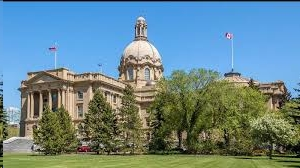
- The provincial government, Ottawa and five oilsands producers have reached an agreement to advance the Pathways Project, a carbon capture and storage network that would move carbon dioxide from oilsands sites in northern Alberta to an underground storage hub near Cold Lake. Announced last Monday but signed on July 2nd, the deal ties the project to a proposed new West Coast oil pipeline, with both governments committing to fiscal and regulatory policies meant to spur oilsands production growth. Ottawa will extend investment tax credits of 50% on eligible carbon capture equipment and 37.5% on related transport and storage, now valid until 2035, and introduce new credits for enhanced oil recovery. Premier Danielle Smith called it a nation-building partnership, while federal Energy and Natural Resources Minister Tim Hodgson said the producers would ultimately pay for Pathways through taxation incentives and carbon pricing. The project, initially estimated at $16.5 billion, could now cost between $20 billion and $30 billion, with infrastructure targeted to be in service by January 1st, 2032.
- The provincial government has opened a new online form for Albertans to submit concerns about bike lanes in their communities, such as whether a lane is underused or has taken away parking spaces. The Province says the feedback it gathers will inform future policy decisions. Transportation Minister Devin Dreeshen says he wants to hear from residents if bike lanes are creating traffic congestion, hurting businesses or prolonging emergency response times. Dreeshen has said legislation is coming in the fall but has provided few details on what it may include. He has argued that transportation networks need to put people first.
- Premier Danielle Smith says close to 800,000 people have applied for the provincial government's new $100 energy rebate, with the first payments expected to reach bank accounts within days. Applications opened on July 2nd for Albertans in households earning under $225,000, and the government estimates 3.4 million people are eligible before the portal closes at the end of September. Smith said the Province is looking at ways to streamline the process after residents reported trouble with an identity-verification requirement that, for some without online banking, meant submitting a photo of their driver's licence and of themselves. She said the validation steps were added as fraud protection, and that about 35,000 applications were flagged in the first week as potentially fraudulent. Smith suggested a simpler fix could involve cross-referencing a line from an applicant's income tax return with Canada Revenue Agency data, with any changes rolled out in the coming weeks. She also said it is too soon to say whether the affordability payments will continue or whether the government will revert to cutting gas taxes at the pump.
- The provincial government is creating seven regional primary care corporations as part of its continuing health-care restructuring, saying the new bodies will cut administrative work for front-line providers and improve access to family doctors, particularly in rural areas. Justin Wright, the Minister of Primary and Preventative Health Services, announced last Thursday that the new corporations will operate under Primary Care Alberta and handle regional planning, funding coordination, reporting and oversight. The government says the model responds to recommendations from its earlier review of primary care, during which providers called for a stronger regional approach. Each corporation will align with one of Alberta's seven existing health corridors, covering Calgary, Edmonton, and the central, northeast, northwest, southeast and southwest regions. The regulation creating the corporations takes effect on September 1st, with the organizations expected to begin operating in the spring of 2027.
- Alberta's regulated online gambling market went live last Monday, opening the province to private sports betting companies and online casinos and making Alberta the second province after Ontario to license private operators. Nearly 50 companies paid $200,000 in registration and permit fees ahead of the launch, though Service Alberta Minister Dale Nally said he expects closer to 20 to be ready for customers. The system stems from legislation passed last year, and the Province will collect 20% of each operator's revenue, which the government forecasts will add $76 million to provincial coffers in the first year. Nally says the aim is to protect bettors who previously used the government-owned platform or unregulated offshore sites, with 1% of gross revenue set aside for problem gambling programs and 2% earmarked for First Nations. Critics note the risks, pointing to a University of Toronto study that found calls to Ontario's gambling helpline from men under 24 rose more than 300% since that province opened its market in 2022.