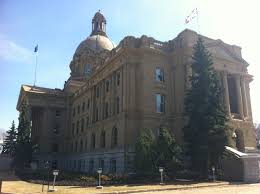
Alberta’s government is appointing a new independent panel, including members chosen by both the UCP and the NDP, to redraw riding boundaries a second time - this time with an increase of 4 seats to 91, rather than an increase of 2 seats to 89. This comes after the previous panel submitted a majority report that recommended boundaries that would have favoured the NDP, while the minority report's suggestions would have favoured the UCP. The new panel will rely on past public submissions but would not hold new public hearings due to time constraints. The move is partly based on an additional recommendation made by the previous commission's chair, who suggested adding more seats would help to draw a fairer map that was more reflective of population growth, though this recommendation was not supported by the full commission. The opposition NDP accuses the government of misrepresenting the report and attempting to gerrymander electoral boundaries ahead of the 2027 election, even raising the possibility of legal action. Hopefully, the new panel can recommend a more neutral change that lies somewhere in between the two suggestions of the previous panel, and we'll reserve our judgement until we see if that's the case.
Alberta’s government is proposing legislation that would allow residents to access private diagnostic testing without needing a doctor’s referral, enabling people to self-request services such as MRIs, CT scans, and other screening tests at private clinics for a fee. Officials say the change is intended to expand capacity, improve early detection of disease, and reduce pressure on the public health-care system by encouraging a parallel private market for those who can pay. The Province has indicated the rollout may be gradual, starting with a limited number of test types, with more details on eligibility and scope still to come. Critics warn the policy could deepen inequality by creating faster access for wealthier patients while increasing strain on the public system through unnecessary or incidental findings. Concerns have also been raised about follow-up costs, system congestion from extra testing, and uncertainty over whether insurers would cover downstream care. The bill also includes provisions to improve access to addiction treatment medications in rural and Indigenous communities by allowing certain providers to keep limited supplies on site.
The Alberta government is maintaining its provincial gas tax despite a federal decision to partially pause the federal tax from April to September. Finance Minister Nate Horner stated the Province will adhere to its legislative formula, which adjusts fuel tax rates based on West Texas Intermediate (WTI) oil prices, but the formula only measures the price on specific days. At the time he made his comments, the WTI exceeded the $90 threshold that would be required to adjust the provincial tax, but the price dropped back below that threshold over the weekend - emphasizing current market volatility. The government says it intends to monitor fiscal trends and notes that relief could occur by Canada Day. However, NDP leader Naheed Nenshi criticized the provincial stance, arguing that the government should provide immediate relief given the windfall from high oil prices. Horner countered by noting that Alberta already doesn't charge the provincial sales tax, whereas the federal government continues to collect GST on fuel.
Alberta will launch its regulated online gambling market on July 13th, making it the second Canadian province to do so. Service Alberta Minister Nally reported that 32 providers have expressed interest, with 20 already paying required deposits. The initiative aims to transition users from the unregulated "grey" market, which currently accounts for 70% of activity. The new framework introduces strict advertising rules, such as prohibiting the use of professional athletes for promotion and ensuring ads do not target minors. Although the Province will collect tax revenue from operators, Nally stated that player safety is the primary focus, noting that regulation is preferable to ignoring the industry. The market opening is intended to align with the upcoming World Cup and will include both online sports betting and casino products.
Rural Municipalities of Alberta is calling on the provincial government to reinstate a regulated grizzly bear hunt in response to increasing human–bear conflicts across rural and southern parts of the province. The group argues that a draw-based hunting system, informed by population data and conflict trends, could help manage what they see as a growing bear population while also improving public safety. They are also urging the Province to replace its current grizzly recovery strategy with a broader management plan and to increase funding for wildlife officers and conflict response teams. Local municipalities cite incidents such as bears entering outbuildings, damaging grain storage, preying on livestock, and at least one reported attack as evidence that the situation is worsening. Provincial officials maintain that their approach is guided by science and focuses on balancing public safety with conservation, noting that targeted removal of problem bears is already permitted. Environmental groups, however, argue that hunting is not an effective long-term solution and advocate instead for stronger coexistence and prevention strategies.